

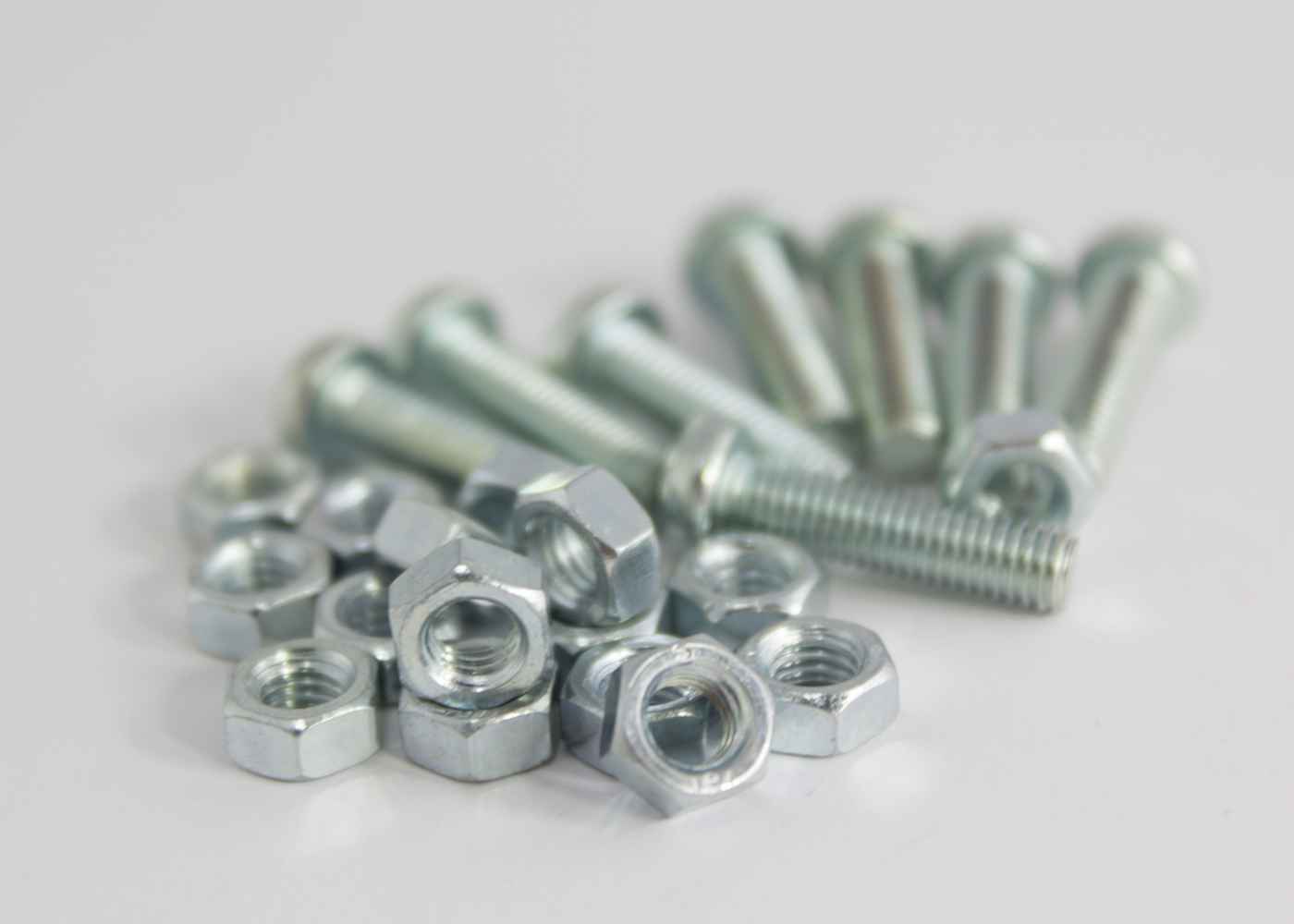
The fasteners holding critical infrastructure together rarely receive the attention they deserve until failure occurs. Standard nuts may suffice for ordinary applications, but environments involving constant vibration, thermal cycling, dynamic loads and extreme conditions demand specialized solutions. Certified locknuts provide the assurance that connections will remain secure despite the forces working to loosen them, protecting both equipment and the people who depend on its reliable operation.
Understanding why certification matters and what distinguishes quality locknuts from standard fasteners helps engineers and procurement professionals make informed decisions for applications where failure is not an option.
Resisting Vibration and Dynamic Forces
Standard threaded connections loosen over time when exposed to vibration, shock and cyclic stresses. The forces generated by operating machinery, passing trains, wind loads and thermal expansion work continuously to rotate nuts off their bolts. What begins as minor loosening progresses to dangerous conditions that threaten structural integrity.
Certified locknuts incorporate mechanisms specifically designed to resist these loosening forces. All-metal designs use controlled thread deformation or spring elements that create prevailing torque, requiring deliberate effort to turn the nut regardless of external forces. Nylon insert varieties create friction between the insert and bolt threads that resists rotation while allowing installation and removal when needed.
The certification process verifies that these locking mechanisms perform as intended under specified conditions. Testing protocols subject locknuts to cyclic loading, vibration patterns and temperature ranges representative of actual service conditions. Only fasteners demonstrating adequate performance earn certification that critical infrastructure applications require.
Meeting Industry Standards
Different industries maintain specific standards governing fastener performance in their applications. Aerospace components must meet stringent requirements reflecting the catastrophic consequences of fastener failure in flight. Railroad applications follow standards addressing the particular vibration patterns and environmental exposures rail equipment encounters.
Certified locknuts come with documentation confirming compliance with applicable standards. Certificates of conformance specify the standards met, testing performed, and material properties verified. This documentation provides the traceability that quality management systems require and liability considerations demand.
Choosing trusted companies ensures access to locknuts meeting the standards relevant to specific applications. Reputable suppliers maintain quality management systems that ensure consistent production of fasteners meeting their certified specifications, providing confidence that each locknut performs as expected.
Ensuring Material Quality
The materials from which locknuts are manufactured significantly affect their performance and longevity. Steel grades vary in strength, hardness and corrosion resistance. Stainless steel variants offer protection against corrosive environments but require appropriate grades for specific exposure conditions.
Certification processes verify that locknuts are manufactured from specified materials with documented properties. Mill certifications trace materials back to their origins, confirming composition and mechanical characteristics. This documentation prevents the quality problems that arise when substituted or substandard materials enter supply chains.
Plating and coating specifications affect both corrosion resistance and thread fit. Certified locknuts receive surface treatments meeting specifications that ensure proper thread engagement while providing environmental protection appropriate to intended applications.
Supporting Reusability Requirements
Many critical infrastructure applications require periodic maintenance involving fastener removal and reinstallation. All-metal locknuts offer reusability that nylon insert varieties cannot match, maintaining locking performance through multiple installation cycles without degradation.
Certification standards address reusability by specifying how many cycles locknuts must withstand while maintaining adequate prevailing torque. This information helps engineers select appropriate fasteners for applications involving scheduled maintenance, avoiding the cost and complication of replacing locknuts with each service interval. Engineers seeking detailed specifications for reusable all-metal and nylon insert locknuts can visit AZTECHLOCKNUT.COM to explore options for both inch and metric applications.
The economic advantages of reusable locknuts compound over equipment lifespans. While initial costs may exceed those of single-use alternatives, the elimination of replacement procurement and the assurance of maintained locking performance justify the investment in quality reusable fasteners.
Addressing Temperature Extremes
Critical infrastructure often operates across wide temperature ranges that affect fastener performance. Thermal expansion and contraction cycles stress threaded connections, while extreme temperatures can degrade certain locking mechanisms entirely.
All-metal locknuts maintain performance across temperature ranges that would destroy nylon inserts. Applications involving high-temperature environments or significant thermal cycling require locknuts designed and certified for these conditions. Matching locknut specifications to actual operating temperatures prevents unexpected failures.
Certification documentation specifies the temperature ranges within which locknuts maintain their rated performance. This information enables proper selection for applications where temperature excursions are expected, ensuring connections remain secure throughout actual service conditions.
Protecting Against Failure Consequences
The consequences of fastener failure in critical infrastructure extend beyond equipment damage to include safety hazards, operational disruptions and liability exposure. Railroad derailments, structural collapses and machinery accidents can all result from connections that loosen unexpectedly.
Certified locknuts represent insurance against these outcomes, providing documented assurance that fasteners will perform as required. The relatively modest cost premium over uncertified alternatives pales against the potential consequences of failure in applications where human safety or critical operations depend on secure connections.
Engineering specifications increasingly mandate certified locknuts for critical applications precisely because the documentation they provide supports quality assurance requirements and demonstrates due diligence. Meeting these specifications requires sourcing from suppliers who maintain the certifications and quality systems that critical infrastructure demands.
