

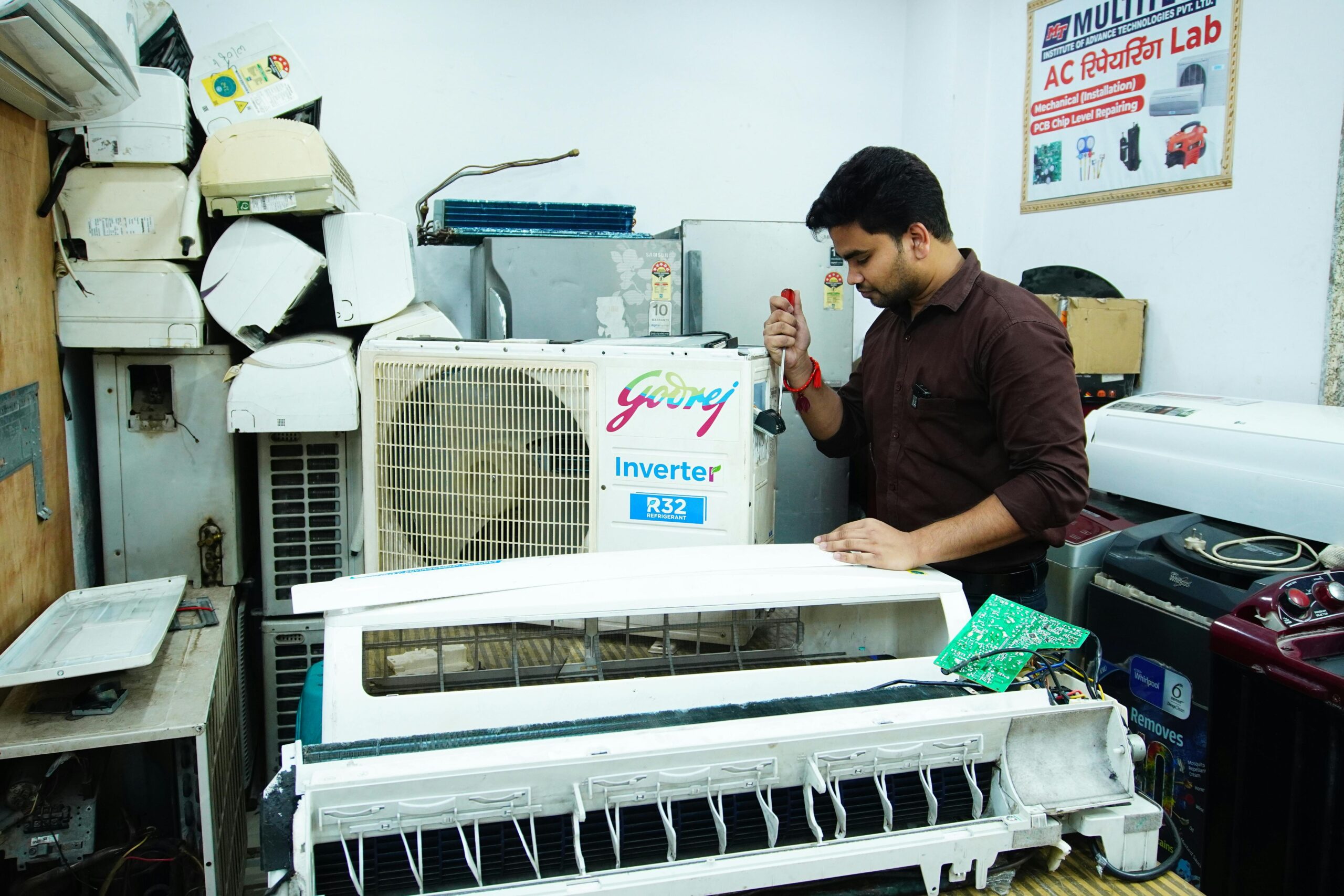
Air conditioning systems play a vital role in maintaining indoor comfort, especially in warmer climates where consistent cooling is essential. Whether you are installing a new unit or servicing an existing one, making the right decisions can significantly impact performance, energy efficiency, and long-term costs. Understanding what to consider before moving forward with AC services and installation helps ensure that your system operates effectively and meets your specific needs.
Assessing Your Space Requirements
One of the most important factors to consider is the size and layout of the space where the air conditioning system will be used. Not all AC units are designed the same, and choosing the wrong size can lead to inefficiency.
An undersized unit may struggle to cool the space properly, running continuously and increasing energy consumption. On the other hand, an oversized unit may cool the room too quickly without properly removing humidity, leading to discomfort. Evaluating room dimensions, ceiling height, insulation, and even sun exposure helps determine the correct capacity for your system.
Choosing the Right Type of System
There are various types of air conditioning systems available, including split systems, window units, portable ACs, and centralized systems. Each option has its own advantages depending on the property type and cooling requirements.
When selecting a system, consider how often the space is used, the number of rooms that need cooling, and the installation constraints. For example, centralized systems may be ideal for larger homes or buildings, while split systems can offer flexibility for specific areas. Making the right choice ensures both comfort and efficiency.
Energy Efficiency and Long-Term Costs
Energy efficiency is a key consideration when installing or servicing an AC system. Modern units often come with energy ratings that indicate how efficiently they operate. Choosing a high-efficiency model may involve a higher upfront cost, but it can lead to significant savings on electricity bills over time.
In addition to the unit itself, proper installation and regular maintenance play a major role in maintaining efficiency. A well-installed system with clean filters and properly functioning components will consume less energy and provide consistent performance.
Quality of Installation
Even the best air conditioning unit will not perform well if it is not installed correctly. Installation involves more than simply placing the unit—it includes proper positioning, secure mounting, accurate wiring, and correct refrigerant levels.
Hiring experienced professionals ensures that every aspect of the installation is handled properly. Poor installation can lead to leaks, reduced efficiency, and frequent breakdowns. Taking the time to ensure quality workmanship helps avoid costly issues in the future.
Regular Maintenance and Servicing
Once an AC system is installed, regular maintenance becomes essential for keeping it in good condition. Routine servicing helps identify minor issues before they turn into major problems.
Maintenance tasks may include cleaning or replacing filters, checking refrigerant levels, inspecting electrical components, and ensuring proper airflow. Consistent servicing not only extends the lifespan of the unit but also maintains its efficiency and performance. Neglecting maintenance can result in higher energy consumption and unexpected repairs.
Indoor Air Quality Considerations
Air conditioning systems do more than cool the air—they also influence indoor air quality. A well-maintained AC unit can help filter out dust, allergens, and pollutants, creating a healthier living environment.
When planning installation or servicing, consider features such as air filters, ventilation, and humidity control. These elements contribute to better air quality and overall comfort. Ensuring that your system supports clean and balanced airflow is especially important for households with allergies or respiratory concerns.
Budget Planning and Cost Transparency
Cost is always a factor when considering ac services and installation. It is important to look beyond the initial price and consider long-term expenses such as energy consumption, maintenance, and potential repairs.
Requesting detailed estimates and understanding what is included in the service helps avoid unexpected costs. Transparent pricing allows you to make informed decisions and choose options that provide the best value for your investment. Balancing quality and affordability ensures that you get reliable performance without overspending.
System Placement and Noise Levels
The placement of your AC unit can affect both its performance and your comfort. Indoor units should be positioned to allow even airflow throughout the space, while outdoor units should be placed in areas with proper ventilation and minimal obstruction.
Noise levels are another important consideration. Some units can produce noticeable sound during operation, which may be disruptive in certain settings. Choosing a system with quiet operation and ensuring proper installation can help maintain a peaceful indoor environment.
Future-Proofing Your System
Technology in air conditioning continues to evolve, with features such as smart controls and energy-saving modes becoming more common. When installing a new system, consider options that offer advanced features or compatibility with future upgrades.
Investing in a system that can adapt to changing needs ensures that you remain comfortable and efficient over time. Future-proofing your AC system can also increase the overall value of your property.
Conclusion
AC services and installation require careful planning and informed decision-making. From assessing space requirements and choosing the right system to ensuring proper installation and regular maintenance, each step plays a role in achieving optimal performance.
By considering factors such as energy efficiency, air quality, budget, and long-term adaptability, you can create a cooling system that meets your needs and enhances your comfort. Taking a thoughtful approach ensures that your investment delivers reliable results, keeping your indoor environment comfortable and efficient for years to come.
