

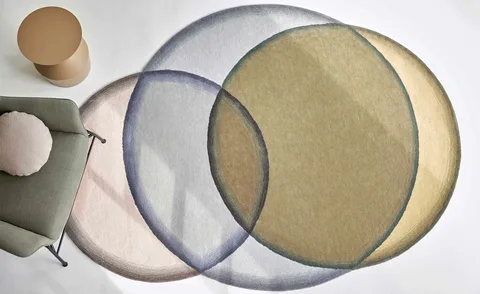
Floors are often the last thing people think about when designing a room, but they shouldn’t be. A good rug anchors a space, connects your furniture, and adds instant warmth. If you are looking for that perfect balance between quality, price, and style, Hand Tufted Rugs are likely on your radar.
Unlike machine-made options that can feel thin and temporary, or hand-knotted rugs that require a significant financial investment, hand-tufted rugs offer a “sweet spot.” They provide the plush feel of luxury without the steep price tag. But just because they are popular doesn’t mean they are the right choice for every home.
Before you invest, you need to know what you are buying. Are they durable? How hard are they to clean? Do they shed? We break down everything you need to know about wool hand-tufted rugs, from the benefits to the maintenance, so you can make the right call for your home.
What exactly is a hand-tufted rug?
To understand the value, you have to understand the construction. A hand-tufted rug is not tied knot-by-knot like a traditional Persian rug. Instead, an artisan uses a hand-operated tool, often called a tufting gun, to push yarn through a fabric backing. This creates a loop on the other side.
Once the design is complete, the artisan applies a latex backing to lock the tufts in place and adds a secondary fabric layer for protection. Finally, the loops are often sheared to create a smooth, cut pile surface.
This process is faster than hand-knotting, which creates a more affordable price point. However, because a human still operates the tool, you get a product that retains the character and distinctiveness of a handmade item.
The pros of wool hand-tufted rugs
Wool is the gold standard for rug materials. When you combine high-quality wool with the tufting technique, you get a product with serious advantages.
Exceptional durability
Wool fibers are naturally resilient. Think of a spring; when you compress it, it bounces back. Wool does the same thing. This makes wool rugs an excellent choice for high-traffic areas like living rooms or hallways. Synthetic fibers often mat down over time, but a well-made wool rug maintains its height and shape for years.
Natural stain resistance
This is a major selling point for families or pet owners. Wool contains a natural wax called lanolin. This substance stops dirt and liquid from penetrating the fiber immediately. If you spill a drink, it tends to bead up on the surface for a moment, giving you time to blot it away before a permanent stain sets in.
Comfort and insulation
Wool is an insulator. In the winter, a wool rug holds heat and keeps a room feeling cozy. In the summer, it helps moderate the temperature. Beyond temperature, the tactile experience is superior. Hand-tufted rugs usually have a thick, dense pile. Walking on them barefoot feels soft and supportive, unlike the plastic feel of nylon or polypropylene.
Sustainable choice
If you care about the environmental impact of your decor, wool wins. It is a renewable resource (sheep grow new coats every year) and it is biodegradable. When a wool rug eventually reaches the end of its life, it breaks down naturally, unlike synthetic rugs that sit in landfills for centuries.
The cons you need to know
No product is perfect. Before you buy rugs made of tufted wool, you should be aware of a few potential drawbacks.
Shedding is normal
When you unroll a new wool tufted rug, you will notice fuzz. This is called shedding. It happens because the tufting process involves cutting the yarn, which leaves small, loose fibers embedded in the pile. This is not a defect. It is a characteristic of the material. With regular vacuuming, shedding decreases significantly after a few months.
Susceptibility to moisture
Wool absorbs moisture. While this is good for humidity control, it means you should not use wool rugs in damp bathrooms or outdoor spaces. If a wool rug stays wet for too long, mildew can form.
Moth damage
Clothes moths eat natural fibers, and wool is their favorite meal. If you place a wool rug in a dark, undisturbed area (like under a heavy sofa you never move), moths can settle in. You can prevent this easily with regular vacuuming and exposure to light, but it is a risk that synthetic rugs do not have.
Care tips for longevity
Maintenance determines how long your rug lasts. Here is how to keep a wool hand-tufted rug looking fresh.
Vacuum correctly
Vacuuming is the most important care step. It removes dirt that can act like sandpaper and cut the fibers. However, technique matters.
- Do not use the beater bar: The rotating brush on your vacuum can pull out the tufts. Turn the beater bar off or use the upholstery attachment.
- Vacuum often: Aim for once a week. This also helps clear out the loose fibers from shedding.
Handle spills immediately
Speed is your friend.
- Blot, do not rub: Rubbing pushes the liquid deeper into the fibers and spreads the stain. Use a clean, white cloth and press down firmly to absorb the liquid.
- Use water sparingly: Wool hates getting soaked. Use a small amount of lukewarm water if needed.
- Avoid harsh chemicals: harsh bleach or strong detergents can strip the dye and damage the wool. Stick to mild dish soap or specialized wool cleaners.
Rotate the rug
Sunlight fades colors over time, and foot traffic wears down the pile. Rotate your rug 180 degrees every six months. This ensures it ages evenly.
The craftsmanship behind handmade rugs in India
When you buy a hand-tufted rug, you often support a rich history of craftsmanship. Handmade Rugs in India are famous globally for a reason. The skill passes down through generations.
Centers like Bhadohi in Uttar Pradesh are the heart of this industry. Here, rug making is not just a job; it is a cultural pillar. The process supports entire communities. By choosing handmade over machine-made, you help keep these traditional skills alive.
There is also an element of empowerment. Many weaving centers now focus on ethical practices. For example, brands are increasingly working with women weavers, providing them with financial independence and recognized status in their communities. When you choose an Indian handmade rug, you buy a story of human skill and dedication.
Where to find quality rugs
Finding a reliable source is the final step. You want a seller that understands the materials and respects the artisans.
If you are looking for premium quality, check out The Ambiente. Based in New Delhi, they are a design-led atelier with deep roots in the industry. Their parent company, Bhadohi Carpets, brings over 30 years of expertise to the table.
The Ambiente stands out because they blend this deep traditional knowledge with modern aesthetics. Founder Avani Khandelwal and her team work with over 4,000 women weavers, ensuring that every purchase supports sustainable livelihoods.
Whether you need a bespoke piece or something ready-to-ship, their collection bridges the gap between classic artistry and contemporary home design. You can find them at their flagship store on Mehrauli-Gurgaon Road in Sultanpur, New Delhi, to see the quality firsthand.
Final thoughts
A wool hand-tufted rug is a smart investment for most homes. You get the durability and stain resistance of natural wool combined with the plush feel of handcrafted construction. While they require a bit of maintenance regarding vacuuming and shedding, the payoff is a beautiful, long-lasting piece that elevates your space.
By choosing handmade, especially from reputable sources like The Ambiente, you also contribute to a cycle of artisan empowerment. If you are ready to transform your floor, a wool tufted rug is a fantastic place to start.
